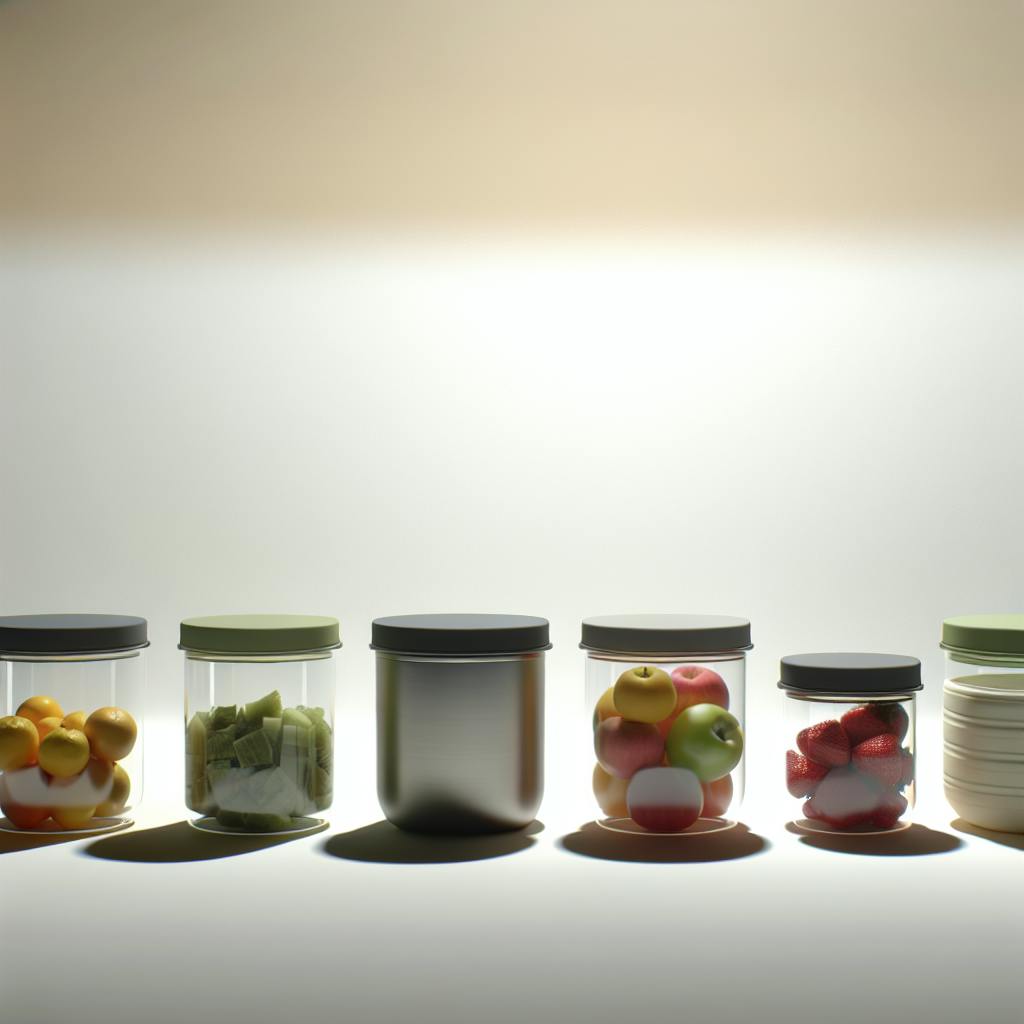
Want to reduce plastic waste at home? Here's a quick guide:
-
Check your plastic use:
- Collect single-use plastics for 5 days
- Sort and count items
- Identify areas for improvement
-
Replace common plastic items:
| Area | Plastic-Free Alternatives |
|---|---|
| Kitchen | Glass containers, beeswax wraps, cloth produce bags |
| Bathroom | Shampoo bars, bamboo toothbrushes, metal safety razors |
| Laundry | Cardboard-boxed detergent, wool dryer balls, metal pegs |
| Outdoors | Coconut or peat pots, metal garden tools, jute tree guards |
-
Recycle properly:
- Learn plastic recycling codes
- Clean and sort plastics
- Follow local recycling guidelines
-
Build new habits:
- Carry reusables (water bottle, coffee cup, shopping bags)
- Buy in bulk with your own containers
- Make cleaning products at home
Start small, focus on one room at a time, and remember that every effort helps reduce plastic waste and protect the environment.
Related video from YouTube
Checking Your Plastic Use at Home
Looking at how much plastic you use at home is a key step to using less. By knowing what plastic items you use, you can make better choices to cut down on waste.
Steps to Check Your Home Plastic Use
1. Gather and sort: For five days, collect all the single-use plastics your family uses. This includes things like packaging, containers, bags, and bottles.
2. Group and look: Put the collected items into groups, like food wraps or bathroom items. This helps you see where most of your plastic waste comes from.
3. Count and write down: Use a simple list to write down the types and amounts of plastic items you collected. This gives you a clear picture of your plastic use.
4. Look and find: Check your list to see where you can make better choices. Start with one area of your home at a time, like the kitchen or bathroom.
5. Make goals: Based on what you found, set clear goals to use less plastic in different parts of your home. Put these goals where you can see them as a reminder.
Common Plastic Items in Your Home
Many everyday items have plastic in them. Here's a list of some you might not know about:
| Item | Hidden Plastic |
|---|---|
| Coloring pens and pencils | Thin plastic layer in the lead |
| Detergents | Tiny plastic bits |
| Cleaning sprays | Liquid plastics for tough dirt |
| Baking paper | Plastic coating to stop sticking |
| Cigarette filters | Plastic fibers that don't break down |
| Sanitary pads | Mostly plastic on front and back |
| Cushions | Often made with cheap plastic instead of down |
Knowing about these hidden plastics can help you make smarter choices when shopping.
Cutting Down Kitchen Plastic
The kitchen often has the most plastic in homes. By making a few changes, you can use much less plastic. Here's how to do it.
Better Food Storage Options
Use these instead of plastic containers:
| Container Type | Good For | Why It's Good |
|---|---|---|
| Glass | Leftovers, meal prep | Safe for microwave, doesn't keep smells |
| Stainless Steel | Dry foods, lunches | Light, lasts long |
| Silicone Bags | Snacks, freezer food | Bendable, can use many times |
Swaps for Plastic Wrap and Bags
Try these instead of plastic wrap and bags:
- Beeswax wraps: Cover bowls or wrap sandwiches
- Silicone bowl covers: Cover leftovers
- Cloth produce bags: Use for fruits and veggies
- Glass jars: Store leftovers or pantry items
Less Plastic When Grocery Shopping
Start using less plastic before you cook:
- Bring your own shopping and produce bags
- Buy loose fruits and veggies
- Get big amounts to use less packaging
- Pick glass or paper packaging over plastic
- Shop at farmers markets or no-waste stores if you can
Removing Bathroom Plastic
The bathroom often has a lot of plastic items. Here's how to make your bathroom use less plastic.
Changing Plastic Toiletries
Replace plastic bottles with these options:
| Product | Plastic-Free Option | Why It's Good |
|---|---|---|
| Shampoo | Shampoo bar | No plastic bottle, lasts longer |
| Conditioner | Conditioner bar | No plastic bottle, lasts longer |
| Liquid soap | Soap bar | No plastic pump, less packaging |
| Other products | Refillable containers | Less new plastic used |
These changes can help you use less plastic and save money over time.
Better Choices for Personal Care
Pick these items to cut down on plastic:
- Bamboo toothbrushes instead of plastic ones
- Silk dental floss in a glass container
- Cotton buds with paper sticks
Start by changing one item at a time as you run out of your old products.
Fixing the Razor and Toothbrush Problem
Razors and toothbrushes make a lot of plastic waste. Try these instead:
- Use a metal safety razor
- Pick a bamboo toothbrush
- Look for razors and toothbrushes you can refill
These small changes can really cut down on bathroom plastic waste.
| Item | Better Choice | Why It Helps |
|---|---|---|
| Plastic razor | Metal safety razor | Lasts longer, uses less plastic |
| Plastic toothbrush | Bamboo toothbrush | Breaks down naturally |
| Disposable razor | Refillable razor | Less waste over time |
To start, look at what's in your bathroom now. This will help you see which things you can change first. Remember, it's okay to make changes slowly. The goal is to use less plastic while still keeping clean and healthy.
Less Plastic in Living Areas
Living rooms often have hidden plastic we might miss. By making smart choices, we can use much less plastic in these spaces.
Picking Better Furniture and Decor
When setting up your living areas, choose materials that look good and help the earth:
1. Natural and Recycled Materials
Pick furniture made from natural or recycled materials:
| Material | Good Points | What You Can Get |
|---|---|---|
| Jute | Breaks down, lasts long | Rugs, footstools |
| Seagrass | Grows back, handles water | Baskets, chairs |
| Recycled wool | Good for earth, comfy | Blankets, pillows |
| Bamboo | Grows fast | Tables, shelves |
| Old wood | Saves trees | Coffee tables, bookcases |
2. Furniture That Does More
Buy items that can be used in many ways:
- Sofas that turn into beds
- Footstools with storage inside
- Tables that can get bigger
3. Earth-Friendly Fabrics
Use good fabrics for your living room:
- Organic cotton or hemp for curtains
- Wool or recycled plastic for rugs
- Natural fiber blankets and pillow covers
4. Safe Finishes
Choose furniture with safe finishes to keep your air clean:
- Water-based paints
- Natural oils for wood
- Beeswax polish for care
5. Decor Without Plastic
Switch plastic items for better options:
| Plastic Item | Better Choice |
|---|---|
| Picture frames | Wood or metal frames |
| Vases | Glass, clay, or metal vases |
| Candle holders | Brass, copper, or clay holders |
| Pretty bowls | Wood or stone bowls |
sbb-itb-1dc3f59
Cutting Laundry Room Plastic
The laundry room often has a lot of plastic. Here are some easy ways to use less plastic when doing laundry.
Better Detergent Packaging
Choose detergents with less plastic packaging:
| Type | Package | Why It's Good |
|---|---|---|
| Strips | Cardboard box | No plastic, easy to carry |
| Powder | Cardboard box | Can recycle box, no plastic jugs |
| Refills | Reusable bottle | Use same bottle many times |
-
Detergent strips: Come in small cardboard boxes. They're light and good for travel.
-
Powder detergents: Often come in cardboard boxes instead of plastic jugs.
-
Refillable options: Some brands let you reuse the same bottle and buy refills.
Plastic-Free Laundry Tools
Try these items to cut down on plastic in your laundry room:
| Item | What It Replaces | How It Helps |
|---|---|---|
| Wool dryer balls | Dryer sheets | Can use many times, dry clothes faster |
| Wood brushes | Plastic brushes | Clean spots without plastic |
| Metal pegs | Plastic clothespins | Last longer, don't break easily |
| Bamboo baskets | Plastic baskets | Made from plants, not plastic |
-
Wool dryer balls: Use these instead of dryer sheets. They help dry clothes and make them soft.
-
Wood brushes: Use for cleaning spots on clothes. Pick ones with natural bristles.
-
Metal pegs: Use these instead of plastic clothespins. They last a long time.
-
Bamboo laundry baskets: Choose these over plastic baskets. They're made from a fast-growing plant.
Less Plastic Outdoors
Using less plastic outside helps keep nature clean. Here's how to cut down on plastic in your garden and outdoor activities.
Gardening with Less Plastic
Try these ideas to use less plastic when gardening:
| Instead of | Use | Why It's Good |
|---|---|---|
| Plastic pots | Pots made from coconut, peat, or paper | Break down in soil |
| Bagged soil | Make your own or buy in bulk | Less packaging |
| Plastic plant markers | DIY markers from clay, rocks, or wood | No waste |
| Plastic sheets | Cardboard or coffee sacks | Break down naturally |
Better Outdoor Items
Pick these items to cut down on plastic outside:
| Item | Better Choice | Why It's Good |
|---|---|---|
| Garden tools | Metal or wood tools | Last longer |
| Pest control | Plant friendly plants or use homemade sprays | No plastic bottles |
| Tree guards | Jute fiber guards | Break down over time |
| Outdoor furniture | Metal, wood, or bamboo | Stronger than plastic |
These changes can help you use less plastic and keep your outdoor spaces clean.
Handling Plastic You Already Have
It's important to deal with plastic items you already own in a good way. Here's how to do it:
How to Recycle Different Plastics
Knowing plastic recycling codes helps you recycle the right way:
| Code | Type | Common Items | Can You Recycle It? |
|---|---|---|---|
| 1 (PET) | Polyethylene terephthalate | Soda and water bottles | Yes, in most places |
| 2 (HDPE) | High-density polyethylene | Shampoo bottles, cleaning products | Often yes |
| 3 (PVC) | Polyvinyl chloride | Pipes, window frames | Usually no |
| 4 (LDPE) | Low-density polyethylene | Plastic bags, bread bags | Not in many places |
| 5 (PP) | Polypropylene | Bottle caps, food containers | Sometimes |
| 6 (PS) | Polystyrene | Disposable cups, packaging | Usually no |
| 7 | Other plastics | Various items | Usually no |
To recycle well:
- Look for the number on the bottom of the item
- Clean and dry the plastic
- Take off any parts that aren't plastic
- Make bottles and containers flat to save space
- Follow what your local recycling program says
New Uses for Old Plastic Items
Before recycling, try using plastic items in new ways:
| Old Plastic Item | New Use |
|---|---|
| Plastic bottles | Seedling starters, mini greenhouses |
| Large containers | Planters (add holes for water) |
| Clean containers | Organize craft supplies or small things |
| Detergent bottles | Watering cans |
| Plastic bottles | Bird feeders |
| Sturdy containers | Store leftovers |
Getting Rid of Non-Recyclable Plastics
For plastics you can't recycle or reuse:
- Buy less of these items in the future
- Put them in regular trash (not recycling)
- Look for special programs like TerraCycle that take hard-to-recycle plastics
- Check if schools or art programs near you want plastic for projects
Keeping Up a Low-Plastic Lifestyle
Sticking to a low-plastic lifestyle takes work and practice. By making new habits and staying motivated, you can use much less plastic over time.
Building New Habits to Avoid Plastic
Make these habits to use less plastic:
1. Always carry reusables: Keep a "no-waste kit" with you:
| Item | Use |
|---|---|
| Water bottle | For drinks on the go |
| Coffee cup | For takeaway coffee |
| Cutlery set | For eating out |
| Cloth napkin | Instead of paper napkins |
| Shopping bags | For unplanned shopping |
2. Shop smart:
- Buy big amounts using your own containers
- Pick products with little or no plastic packaging
- Choose loose fruits and veggies
3. Plan your meals:
- Cook at home more to avoid takeout boxes
- Use glass containers for leftover food
- Pack lunches in reusable boxes
4. Make things yourself:
- Mix your own cleaning products
- Create your own soap or toothpaste
- Learn to fix things instead of buying new ones
Staying on Track with Less Plastic
Keep going with your low-plastic life:
1. Check your progress:
- Write down what you're doing
- Note the changes you've made
- Be happy about small wins
2. Meet people who think like you:
- Join groups that want to make less waste
- Share tips with others
- Try plastic-free challenges
3. Learn and teach:
- Read about plastic pollution
- Tell friends and family what you know
- Show others how to use less plastic
4. Be kind to yourself:
- Remember you don't have to be perfect
- Focus on doing better, not being perfect
- Learn from mistakes and keep trying
Wrap-Up
Key Points to Remember
Using less plastic at home helps the earth. Here are the main ways to do it:
- Check your use: Look at how much plastic you use and set goals to use less.
- Say no to one-use plastics: Don't use things like straws or plastic bags that you throw away after one use.
- Use things again: Pick items you can use many times, like glass boxes and cloth bags.
- Buy big amounts: Get food and other things in big sizes using your own containers.
- Pick non-plastic packaging: Look for things in glass, metal, or cardboard instead of plastic.
| Room | Things to Use Instead of Plastic |
|---|---|
| Kitchen | Glass boxes, beeswax wraps, cloth bags for fruits and veggies |
| Bathroom | Wooden toothbrushes, soap bars, metal razors |
| Laundry | Wool balls for drying, detergent not in plastic |
| Outside | Cloth wine bags, bamboo plates, water bottles you can use again |
Start Using Less Plastic Today
Using less plastic takes time to learn. Start with small changes you can do:
- Start with one room: First, try to use less plastic in your kitchen or bathroom.
- Carry things you can use again: Always have a water bottle, coffee cup, and shopping bag with you.
- Shop smart: Buy things with less packaging and from stores that care about the earth.
- Learn and teach: Find out more about plastic waste and tell your friends and family.
- Keep trying: Remember that every little thing you do helps.
FAQs
How to avoid plastic in the kitchen?
Here are some easy ways to use less plastic in your kitchen:
| Area | Tips |
|---|---|
| Shopping | - Use cloth bags for groceries - Buy fruits and veggies without plastic wrap - Get items in glass jars or cardboard boxes - Buy in bulk with your own containers |
| Storage | - Use glass or metal containers instead of plastic - Try beeswax wraps or silicone lids to cover food - Pick glass or metal mixing bowls |
| Cooking | - Use wooden or bamboo utensils and cutting boards - Choose a glass or metal kettle - Make coffee with a French press or pour-over method |
| Drinking | - Get a good water bottle you can use many times - Use loose tea leaves instead of tea bags |
These small changes can help you cut down on plastic use in your kitchen. Start with one or two things and slowly add more as you get used to them.