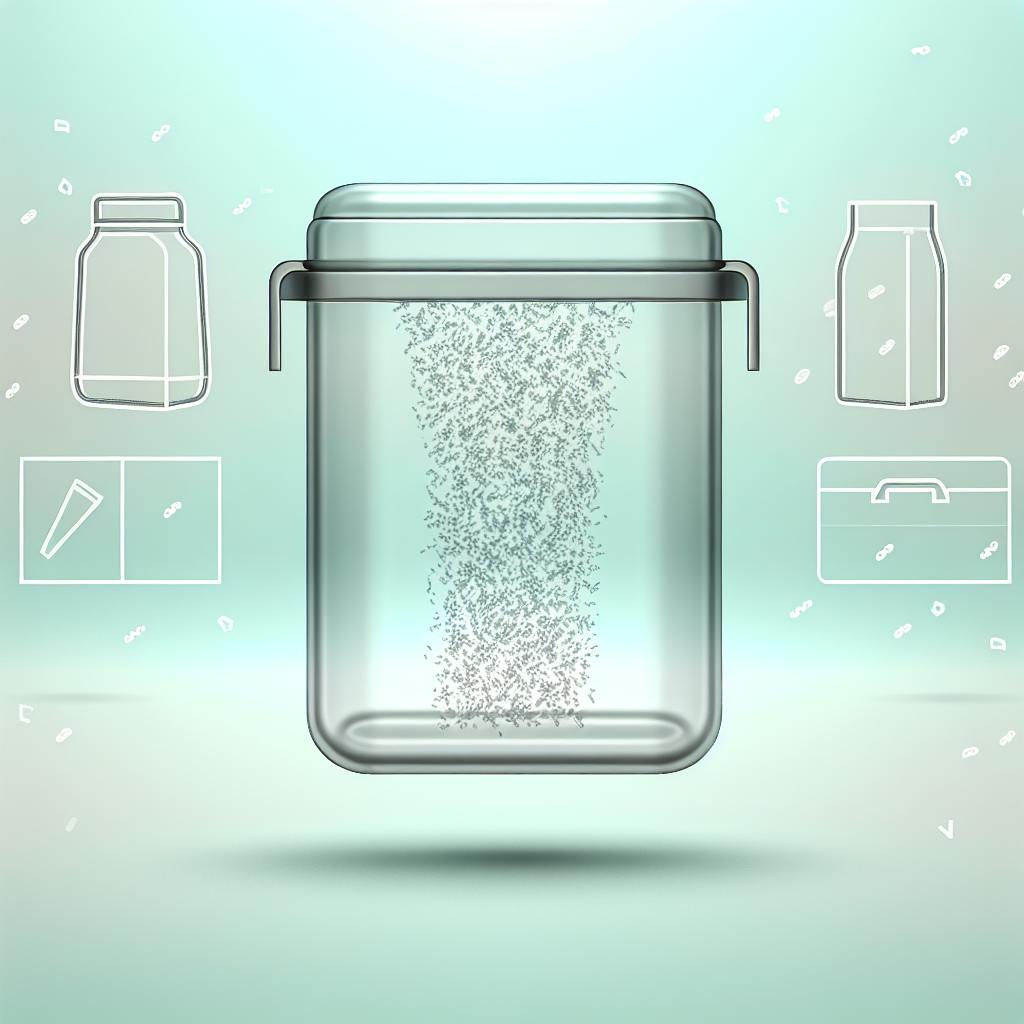
Looking to ditch plastic food storage? Here's a quick guide to the top alternatives:
| Material | Pros | Cons |
|---|---|---|
| Glass | Safe, microwave-friendly, doesn't retain odors | Breakable, heavy |
| Stainless Steel | Durable, lightweight, long-lasting | Not microwave-safe |
| Silicone | Flexible, heat-resistant, freezer-safe | May retain odors |
| Natural Fabrics | Biodegradable, good for dry goods | Not suitable for liquids |
| Ceramic | Oven-safe, attractive, doesn't retain flavors | Heavy, can break |
Key factors to consider:
- Safety (no harmful chemicals)
- Durability
- Versatility (microwave, oven, freezer use)
- Environmental impact
- Cost-effectiveness
Each option has its strengths. Choose based on your specific needs and usage habits.
Related video from YouTube
1. Glass Containers
Glass containers are a good option to replace plastic Tupperware for storing food. They have several benefits for safety, how long they last, and their impact on the environment.
Safety
Glass is very safe for storing food. It doesn't have harmful chemicals like BPA or phthalates. This means it won't leak anything into your food, even when heated or used with acidic foods. You can use glass containers in the microwave, oven, and freezer.
How Long They Last
Glass containers can last a long time if you take care of them. There are two main types:
- Borosilicate glass: Handles temperature changes well
- Soda-lime glass: Less likely to break if dropped
Both types can be used for many years.
Impact on the Environment
Glass containers are good for the environment because they:
- Can be recycled
- Are made from materials found in nature
- Can be used many times
Glass doesn't break down into tiny pieces that can harm the environment like plastic does.
How They Work
Glass containers have some good points:
- You can see what's inside
- They don't keep food smells
- You can use them in the freezer, oven, and on the table
- They're easy to clean and don't keep food tastes or colors
But, glass containers are heavier than plastic ones.
Cost
Glass containers might cost more at first, but they can save money over time because you don't need to replace them as often as plastic ones.
| Feature | Glass Containers |
|---|---|
| Safety | Very safe, no chemicals leak into food |
| Lifespan | Can last for many years |
| Environmental Impact | Can be recycled, good for nature |
| Uses | Can be used in freezer, oven, and microwave |
| Cost | More expensive at first, but lasts longer |
2. Stainless Steel Containers
Stainless steel containers are a good option to replace plastic Tupperware for storing food.
Safety
These containers are made from safe stainless steel that doesn't put harmful chemicals into food. They don't have BPA or other bad substances, so they're safe for storing and reheating food.
How Long They Last
Stainless steel containers last a very long time. They don't break, crack, or change shape easily, even if you drop them or use them in very hot or cold places. This means you can use them for many years, which saves money over time.
Impact on the Environment
Using stainless steel containers is good for the environment. You can recycle them, and they don't add to plastic waste. Choosing these containers helps reduce harm to nature.
How They Work
New stainless steel containers can do many things:
- Some can go in the microwave
- Can be used in the oven up to 350°F
- Can be put in the freezer
- Can be cleaned in the dishwasher
- Keep food from spilling
Brands like Klean Kanteen and Bentgo make containers with these features, which are good for use at home and when you're out.
Cost
Stainless steel containers might cost more at first, but they last so long that they save money over time. Good containers usually cost between $30 and $35, depending on how big they are and what they can do.
| Feature | What Stainless Steel Containers Offer |
|---|---|
| Safety | No bad chemicals in food |
| How Long They Last | Very strong, don't break easily |
| Good for Nature | Can be recycled, less plastic waste |
| What They Can Do | Some can go in microwave, oven, freezer, and dishwasher |
| Cost | More money at first, but last a long time |
3. Silicone Containers
Silicone containers are becoming more common as a way to store food without using plastic. Let's look at what these containers offer.
Safety
Silicone containers are safer than plastic ones:
- Made from food-safe silicone with no harmful chemicals
- No BPA or other bad substances
- Naturally stop fungus growth
- Don't leak chemicals into food, even when heated
How Long They Last
Silicone containers are tough:
- Bend easily without breaking
- Can handle very hot and cold temperatures
- Last longer than plastic containers
- Keep their shape over time
Impact on Nature
Using silicone containers is better for the environment:
- Can be used many times, reducing plastic waste
- Can be recycled at special places
- Making them is less harmful to nature than making plastic
- Help reduce tiny plastic bits in the environment
How They Work
Silicone containers can be used in many ways:
- Safe in microwaves, ovens (up to certain heat), and dishwashers
- Can go in the freezer without breaking
- Come in different shapes and sizes, some can be folded flat
- Good for meal prep and taking food on the go
Cost
Silicone containers might cost more at first, but they're worth it:
- More expensive than plastic containers to start
- Last a long time, so you save money over years
- Prices change based on size, brand, and what they can do
- Good quality sets usually cost between $20 and $40
| Feature | What Silicone Containers Offer |
|---|---|
| Safety | No bad chemicals, safe for food |
| Toughness | Bend easily, handle hot and cold |
| Good for Nature | Use many times, can be recycled |
| Uses | Safe in microwave, oven, freezer, dishwasher |
| Cost | More money at first, but last longer |
sbb-itb-1dc3f59
4. Natural Fabric Options
Natural fabrics offer a way to store food without using plastic. Let's look at what these options can do.
Safety
Natural fabric options like beeswax wraps and cotton bags are safe for storing food:
- Made from safe materials
- No harmful chemicals
- Beeswax wraps use food-safe wax and oils
- Choose organic cotton to avoid pesticides
Impact on Nature
Using natural fabrics is good for the environment:
- Break down naturally when thrown away
- Can be used many times, less waste than plastic
- Made from plants that grow back
- Help reduce plastic use
How They Work
Natural fabric options can be used in different ways:
- Beeswax wraps can be shaped around food or containers
- Fabrics let air through, which helps keep food fresh
- Good for dry foods, covering bowls, and cold items
- Cotton bags work well for fruits, vegetables, and bread
These options are not good for raw meat or using in the microwave.
Cost
Here's how the costs compare:
| Option | Starting Cost | Long-term Cost |
|---|---|---|
| Beeswax Wraps | More expensive at first | Save money over time |
| Cotton Bags | Usually not too expensive | Last a long time, don't need to buy often |
| Plastic Wrap | Cheap to buy | Need to keep buying more |
Natural fabric options might cost more at first, but they can save money because you use them for a long time.
5. Ceramic and Stoneware Containers
Ceramic and stoneware containers are good options to replace plastic Tupperware. Let's look at what they offer.
Safety
Ceramic containers are usually safe for storing food:
- Don't put bad chemicals in food
- Healthier than plastic
- Buy from trusted sellers
- Check for safety labels
Some old or cheap ceramic items might have lead, so be careful.
How Long They Last
Ceramic and stoneware containers are strong:
- Don't scratch or chip easily
- Can handle high heat
- Last a long time if you take care of them
To make them last longer:
- Don't change their temperature too fast
- Store them carefully
- Check for cracks and throw away if broken
How They Work
You can use ceramic containers in many ways:
- Put them in the oven
- Use them in the microwave
- Store food in the freezer
- Clean them in the dishwasher
They're good for keeping and warming up leftover food. They don't keep food smells or tastes. But remember, they're heavier than plastic containers.
How They Affect Nature
Using ceramic containers is good for nature:
- Made from things found in nature
- Last a long time, so you don't need to buy new ones often
- Can be recycled when you're done with them
By using ceramic, you help make less plastic waste.
Cost
Here's how ceramic containers compare to plastic ones:
| What to Think About | Ceramic Containers | Plastic Containers |
|---|---|---|
| Cost at First | More expensive | Cheaper |
| How Long They Last | Many years if you're careful | Often need to buy new ones every year |
| Money Saved Over Time | Save money in the long run | Cost more because you keep buying new ones |
Buying good ceramic containers might cost more at first, but you save money over time because you don't need to replace them as often as plastic ones.
Good and Bad Points
When looking at options to replace plastic Tupperware, it's helpful to compare the good and bad points of each choice. Here's a look at glass, stainless steel, silicone, and ceramic containers:
| Material | Good Points | Bad Points |
|---|---|---|
| Glass | • Safe for food, no chemicals • Can use in microwave, oven, dishwasher • Doesn't keep food smells or stains • Easy to recycle |
• Can break • Heavier than plastic • Might not close as tightly as other options |
| Stainless Steel | • Strong and lasts long • Safe for food • Doesn't rust • Light and easy to carry |
• Can't use in microwave • Might change taste of sour foods if stored too long • Can cost more at first |
| Silicone | • Bends easily and light • Can handle heat • Food doesn't stick • Can use in dishwasher and freezer |
• Might keep food smells over time • Doesn't break down in nature • Quality can be different, affecting safety |
| Ceramic | • Can use in oven, microwave, dishwasher • Looks nice • Doesn't keep food tastes or smells • Good for cooking and storing |
• Heavier than other choices • Can break if dropped • Might not close tightly |
Each type of container has its own good points for storing food. Glass and stainless steel are great if you want something safe and long-lasting. Silicone bends easily and can be used in many ways. Ceramic looks nice and works well for both cooking and storing food.
When picking a new container instead of plastic Tupperware, think about what you need. If you take food with you often, stainless steel or silicone might be best. For storing food at home and heating it up, glass or ceramic could work well. Remember, some options might cost more at first, but they often save money over time because they last longer.
Wrap-up
Let's look at the main points about glass and stainless steel containers as options instead of plastic Tupperware.
| Feature | Glass Containers | Stainless Steel Containers |
|---|---|---|
| Uses | Can use in microwave, dishwasher, oven | Good for cold storage, not for microwave |
| Strength | Can break if dropped | Very strong, hard to break |
| Weight | Heavier | Light and easy to carry |
| See-through | Yes | No |
| Safety | Don't put chemicals in food | Don't put chemicals in food |
| Cleaning | Easy to clean | Easy to clean |
| Cost | Can be pricey at first | Can be pricey at first |
| Long-term value | Last a long time | Last a very long time |
Both glass and stainless steel are good choices for storing food without using plastic. They're safe and don't harm the environment as much as plastic does.
Glass containers are good because:
- You can see what's inside
- You can use them in many ways (microwave, oven, etc.)
- They don't keep food smells
But they can break and are heavy.
Stainless steel containers are good because:
- They're very strong
- They're light and easy to carry
- They last a very long time
But you can't use them in the microwave.
When picking between glass and stainless steel, think about what you need most. If you take food with you a lot, stainless steel might be better. If you heat food up often, glass might work better for you.
FAQs
What is the best plastic alternative for food storage?
There are several good options to replace plastic for storing food:
| Material | Good Points | Not So Good Points |
|---|---|---|
| Glass | • Safe for food • Can use in microwave and oven • Doesn't keep food smells • Easy to clean and recycle |
• Can break • Heavy |
| Stainless Steel | • Very strong • Safe for food • Doesn't rust • Light and easy to carry |
• Can't use in microwave • Might change taste of some foods |
| Silicone | • Bends easily • Can handle heat • Food doesn't stick • Can use in freezer |
• Might keep food smells • Hard to recycle |
| Ceramic | • Can use in oven and microwave • Looks nice • Doesn't keep food tastes |
• Heavy • Can break if dropped |
To pick the best option:
- Think about how you'll use it (heating food, taking it with you, etc.)
- Check if it's safe for food (look for FDA or LFGB labels on silicone)
- Choose based on what's most important to you (like being able to see through it or not breaking easily)
Each type of container has good and bad points. Pick the one that fits what you need most.