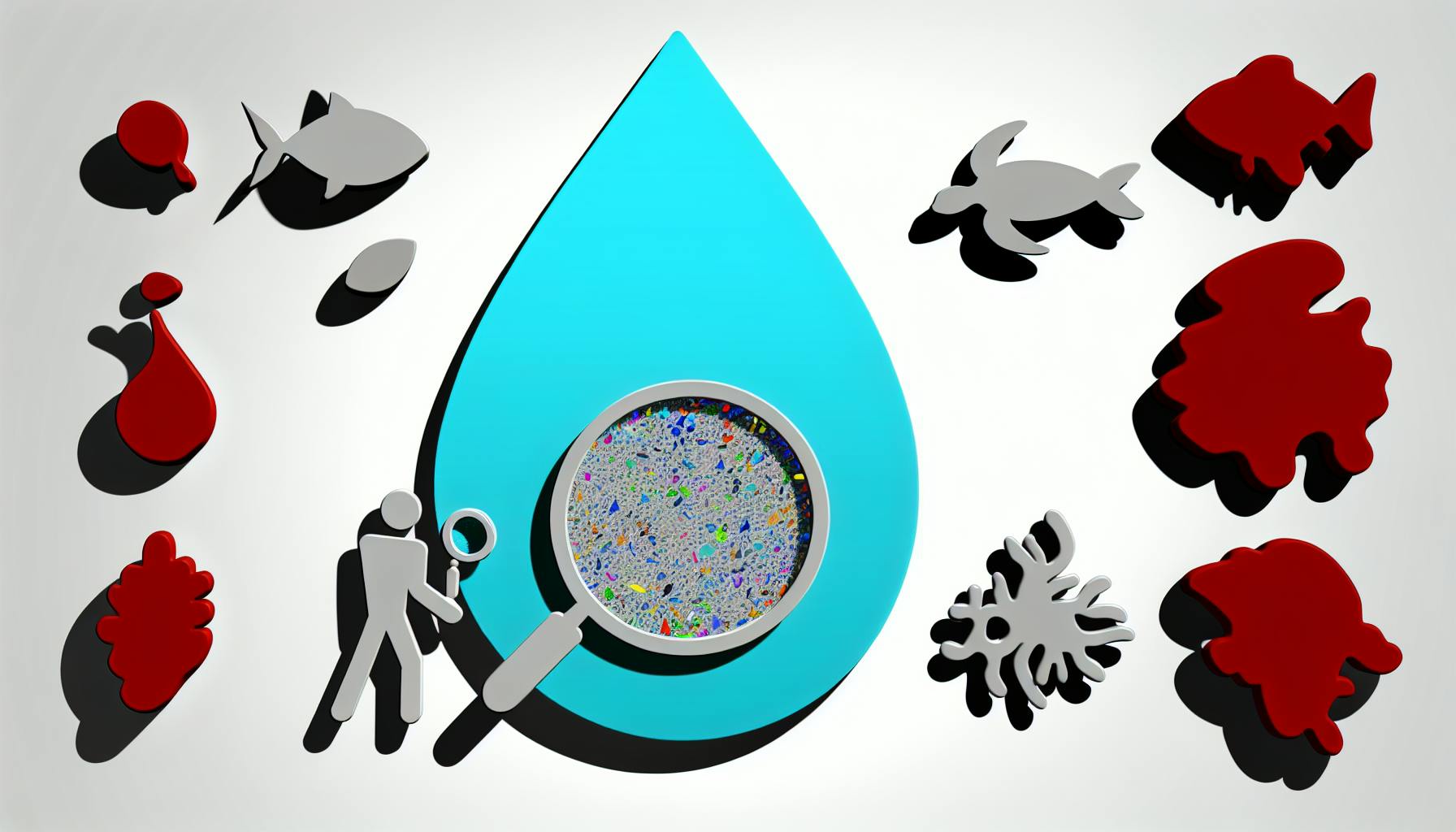
Tupperware and other plastic food containers release microplastics, tiny plastic particles smaller than 5mm. This article explores:
- How microplastics from Tupperware affect the environment
- Potential health risks for humans
- Ways to reduce microplastic exposure
Key points:
- Tupperware releases microplastics through wear, heat, and chemical breakdown
- Microplastics spread through water, soil, and air, harming ecosystems
- Possible health risks include cell damage and hormone disruption
- Alternatives: glass, stainless steel, silicone, ceramic, bamboo
Quick comparison of container options:
| Material | Pros | Cons |
|---|---|---|
| Glass | Safe, recyclable | Breakable, heavy |
| Stainless Steel | Durable, non-reactive | Not microwave-safe |
| Silicone | Flexible, heat-resistant | May retain odors |
| Ceramic | Microwave-safe, attractive | Can chip or break |
| Bamboo | Biodegradable, lightweight | Not suitable for liquids |
To reduce microplastic exposure:
- Avoid heating food in plastic
- Let hot food cool before storing in plastic
- Replace scratched containers
- Use glass or ceramic for acidic foods
- Properly recycle plastic containers
Related video from YouTube
2. Basics of Microplastics
2.1 What Microplastics Are
Microplastics are tiny plastic bits smaller than 5 millimeters. They come in different shapes:
| Shape | Description |
|---|---|
| Fibers | Thin threads, often colored |
| Fragments | Odd-shaped plastic pieces |
| Film | Thin plastic sheets (like grocery bags) |
| Microbeads | Small, round plastic balls |
The smallest microplastics, called nanoplastics, are less than 1 micrometer. These tiny bits are now found everywhere - in food, water, and air.
2.2 Where Microplastics Come From
Microplastics have two main sources:
1. Made on purpose:
- Used in face washes and toothpaste
- Often end up in water
2. From bigger plastics breaking down:
- Come from bottles, bags, toys, clothes, tires, and more
- Break down due to sun, heat, wind, and waves
Since the 1950s, only about 10% of all plastic made has been recycled. This shows how big the problem is.
2.3 Why Microplastics Matter
Microplastics cause problems for nature and might affect human health:
| Area of Concern | Impact |
|---|---|
| Environment | - Build up in nature - Eaten by sea animals, causing health issues - Can hurt animals' stomachs - Carry other pollutants in water |
| Food Chain | - Move up the food chain - Build up in animal bodies - Might carry harmful chemicals |
| Pollution Scale | - 4-14 million tons of plastic enter oceans yearly - Found in rivers, lakes, and air too |
| Human Health | - We might breathe them in or eat them - We don't know all the effects yet - More study needed on long-term impacts |
Because microplastics are everywhere and might be harmful, it's important to understand and deal with this problem.
3. How Scientists Study Microplastics
3.1 Key Studies on Plastic Containers
Scientists have done several studies to learn about microplastics from plastic containers:
- In 2020, researchers looked at how food containers, including Tupperware, release tiny plastic bits
- Scientists at the University of Washington Tacoma checked water and sediment for microplastics
- A team from George Mason University helped create standard ways to study microplastics
These studies help us understand how plastic food containers might affect the environment.
3.2 How Tests Are Done
Scientists usually follow these steps when studying microplastics:
| Step | Description |
|---|---|
| 1. Collect samples | - Get water using special nets or tools - Gather sediment from different places |
| 2. Prepare samples | - Filter out microplastics - Remove other stuff using chemicals |
| 3. Separate microplastics | - Use methods to make plastic bits float - Filter again to catch the plastic |
| 4. Look at the results | - Check under microscopes - Test what kind of plastic it is |
3.3 Tools Used to Find Microplastics
Scientists use special tools to spot and study microplastics:
| Tool | What it does | Why it's good |
|---|---|---|
| FT-IR Imaging | Tells what kind of plastic it is | Very exact, can see tiny bits |
| Raman Spectroscopy | Checks what the plastic is made of | Doesn't harm the sample, works well with water |
| SEM-EDS | Looks at the surface and what elements are in it | Gives lots of details about the surface |
| μ-FT-IR | Looks at very small plastic bits | Can study really tiny pieces |
Scientists are now using computers to help find and count microplastics faster and with fewer mistakes.
To make sure their results are right, scientists use clean tools and do extra tests to check for mistakes.
4. Microplastics from Tupperware
4.1 What Causes Microplastic Release
Tupperware and other plastic food containers release microplastics due to:
- Wear and tear: Regular use and washing can scratch the surface
- Outside factors: Sun, heat, and moisture can break down the plastic
- Chemical effects: Food and cleaning products can speed up breakdown
These things make tiny plastic bits come off the containers.
4.2 How Much Is Released
Studies show different amounts of microplastics come from food containers:
| Container Type | Amount of Microplastics Released |
|---|---|
| Round | 12 ± 5.12 mg per container |
| Rectangle | 38 ± 5.29 mg per container |
| Disposable cups | 3 ± 1.13 mg per container |
These numbers can change based on the container's size, what it's made of, and how it's used.
4.3 Tupperware vs. Other Containers
Here's how Tupperware compares to other containers:
| Feature | Tupperware | Other Containers |
|---|---|---|
| Lifespan | Lasts longer, less waste | Often single-use, more waste |
| Material | Uses polypropylene, safer | May use less stable plastics |
| Microplastic release | Releases some, but less over time | May release more due to frequent replacement |
All plastic containers, including Tupperware, add to microplastic pollution. The main difference is how often you need to replace them and their overall impact on the environment.
sbb-itb-1dc3f59
5. Effects on the Environment
5.1 How Microplastics Spread
Microplastics from Tupperware and other plastic containers spread through:
- Water: They enter rivers and oceans through sewage and runoff.
- Soil: Plastic waste in dumps breaks down, releasing microplastics into nearby soil.
- Air: Tiny plastic bits can float in the air and travel far.
Once released, these small plastic pieces can stay in nature for a long time. They can move through ocean currents and wind to reach far-off places.
5.2 Impact on Nature
Microplastics in the environment harm ecosystems:
| Impact | Description |
|---|---|
| Physical harm | Animals eat microplastics by mistake, causing stomach problems |
| Chemical harm | Harmful chemicals from plastics leak into water and soil |
| Habitat changes | Microplastics in sand and mud can change where small creatures live |
These problems can lead to fewer types of plants and animals, and upset how nature works.
5.3 Build-up in Food Chains
Microplastics build up in different levels of the food chain:
- Small animals: Tiny sea creatures eat microplastics from the water.
- Bigger animals: Fish eat smaller animals that have microplastics inside them.
- Top hunters: The biggest sea animals end up with the most microplastics.
This process is called trophic transfer. It means microplastics move up the food chain and can reach humans when we eat seafood.
When animals have microplastics in their bodies:
- They might grow less and have fewer babies
- They might act differently and eat less
- They might get sick more easily
Studies show that very tiny plastic pieces can even get into fish brains. This can make fish eat slower and move too much. When animals don't act normally, it can cause big problems for all of nature.
6. Possible Health Risks
6.1 How People Are Exposed
People can get microplastics from Tupperware and other plastic food containers in these ways:
| Exposure Route | Description |
|---|---|
| Food | Tiny plastic bits can get into food, especially when heated or with acidic foods |
| Air | People can breathe in small plastic pieces from old plastic items |
| Water | Both tap and bottled water have microplastics |
Studies show that people in the US might eat over 50,000 tiny plastic bits from food each year. This number goes up to 90,000 for those who often use plastic water bottles.
6.2 Potential Health Problems
We don't know all the health risks yet, but here are some possible issues:
| Health Concern | Possible Effect |
|---|---|
| Cell damage | Tiny plastic bits might hurt human cells |
| Hormone changes | Some plastic parts could mess with how hormones work |
| Swelling | Long-term exposure might cause body swelling |
| Baby-making problems | Could affect having babies |
| Breathing issues | Breathing in plastic bits might hurt lungs |
We still need to learn more about how these tiny plastics affect our health over time.
6.3 What Studies Show So Far
Here's what we know from current research:
-
Plastic in bodies: Scientists have found tiny plastic pieces in poop, placentas, and baby poop.
-
Cell effects: In labs, microplastics can hurt human cells, but we're not sure what this means for real life.
-
Build-up in bodies: There's worry that these plastics might collect in our bodies over time.
-
More study needed: Scientists say we need to learn more about how different sizes and types of plastic bits affect our health.
While we don't have all the answers yet, experts say it's smart to be careful. They suggest using less plastic, especially for storing food, and avoiding throw-away plastics when possible.
7. Ways to Reduce Microplastics
7.1 Other Container Options
To cut down on microplastics from food storage, try these other options:
| Material | Good Points | Things to Think About |
|---|---|---|
| Glass | Strong, safe, can be recycled | Can break, heavy |
| Stainless Steel | Lasts long, doesn't react | Can't use in microwave |
| Silicone | Bends, handles heat well | Might keep smells |
| Ceramic | Can use in microwave, looks nice | Can chip or break |
| Bamboo | Breaks down in nature, light | Not good for liquids |
Glass is great for many foods. Some types can handle heat for easy reheating.
Stainless steel is tough and good for long use. It doesn't rust and is easy to clean.
Silicone bags are becoming popular. They last long and can handle high heat.
7.2 Tips for Using Tupperware Safely
While switching to non-plastic options, follow these tips:
- Don't heat food in plastic
- Let hot food cool before putting it in plastic
- Clean gently to avoid scratches
- Replace scratched containers
- Use glass or ceramic for foods with acid
7.3 Proper Disposal and Recycling
To help the environment when getting rid of plastic food containers:
- Check what can be recycled in your area
- Clean containers well before recycling
- Take off different parts (like plastic lids from glass jars)
- Try using old containers for non-food things
- Look for programs where makers take back old containers
8. What We Still Need to Learn
8.1 Questions We Don't Have Answers For
Scientists are still trying to figure out many things about microplastics. They don't know all the ways these tiny plastic bits might affect our health over time. Here are some big questions:
- Can microplastics cause long-term illnesses?
- How do they affect different parts of our body?
- How much exposure is too much?
- Does our body handle natural and man-made plastics differently?
Dick Vethaak, who studies how pollution affects living things, says, "We're just starting to understand how microplastics might affect our health."
8.2 New Ways to Study Microplastics
Scientists are coming up with new ways to learn about microplastics:
| Method | What It Does |
|---|---|
| Better pictures | Finds tiny plastic bits in body parts |
| Cell studies | Looks at how plastic affects cells |
| Long-term health tracking | Watches how plastic exposure affects people over time |
For example, doctors at the University of Hull found tiny plastic fibers deep in patients' lungs during surgery. This discovery helps scientists study how these plastics affect lung cells.
8.3 Ideas for Future Research
Scientists want to study these things next:
| Research Topic | What They Want to Know |
|---|---|
| Health effects | How microplastics affect us over many years |
| Spread in nature | How microplastics move through water, air, and soil |
| Mixing with other pollution | How microplastics interact with other harmful things |
| Cleaning up | How to remove microplastics from the environment |
| Better materials | How to make safer plastics that break down naturally |
Paul Anastas, an expert in green science, says we need to understand how man-made plastics affect our bodies differently from natural materials. This could help make safer plastics and better ways to reduce plastic pollution.
As we learn more, it's important to be careful but not scared. We need to keep studying microplastics to understand how they affect our health and the world around us.
9. Wrap-up
9.1 Main Points
- Tiny plastic bits are everywhere - in air, water, and food
- Plastic containers like Tupperware can release these bits, especially when heated or scratched
- These tiny plastics might cause health problems, like affecting growth and hormones
9.2 What This Means for Using Plastic
We need to think about how we use plastic:
| Instead of Plastic | Try These |
|---|---|
| Plastic containers | Glass or metal containers |
| Heating food in plastic | Use glass or ceramic for microwaving |
| Single-use plastics | Reusable items |
9.3 How You Can Help
Here's what you can do:
- Use metal or glass water bottles
- Buy things with less plastic packaging
- Filter your tap water
- Don't use face washes or toothpastes with tiny plastic beads
- Support efforts to cut down on plastic waste